40mm GMT Automatic Watch: Ceramic Bezel, Lume Dial
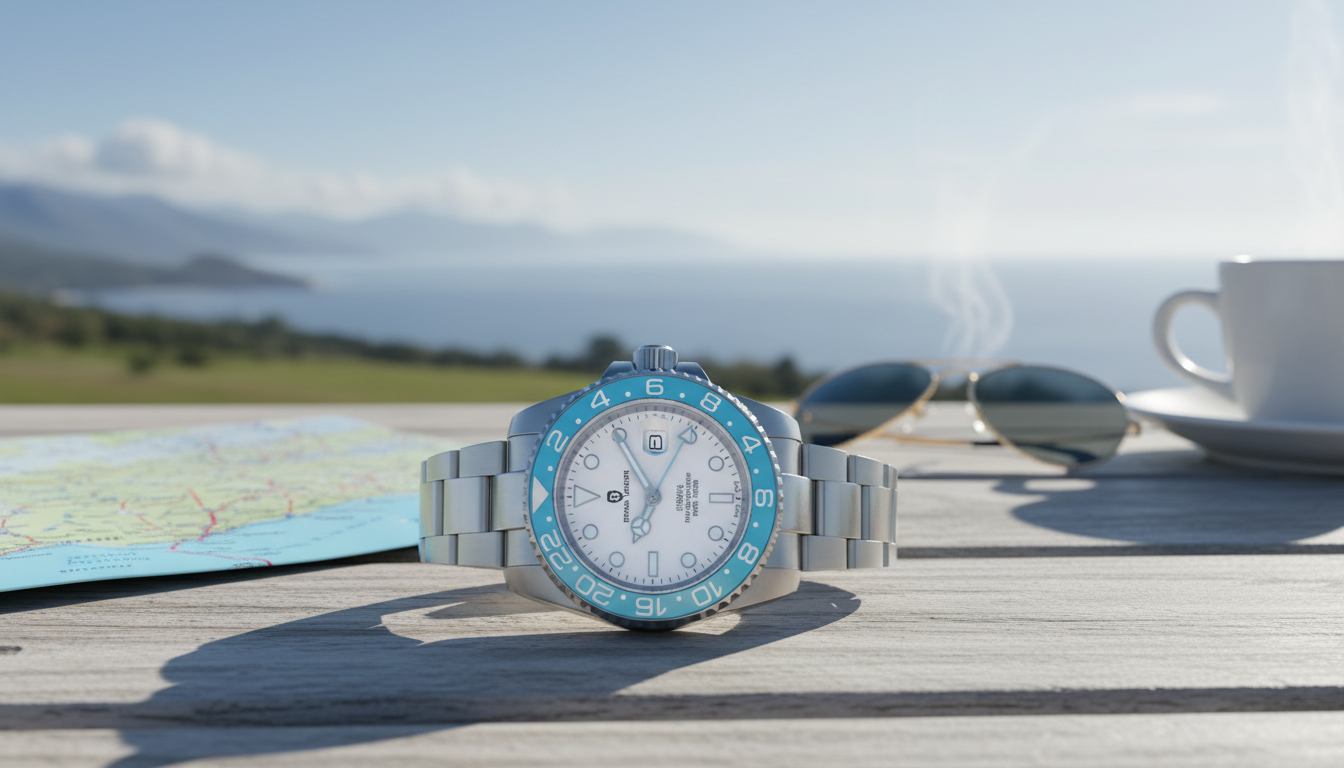
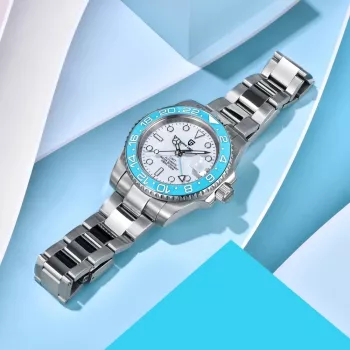
Luxury 40MM GMT Automatic Watch with Ceramic Bezel & Luminous Dial
A 40mm GMT automatic watch balances everyday wearability with travel-ready functionality. With a ceramic bezel for scratch resistance and a luminous dial for low-light legibility, this style of watch fits business days, weekend trips, and red-eye flights—while keeping a second time zone visible at a glance. For more guidance, see The Rolex Pepsi: The Iconic Red, White, and Blue Luxury ….
Why a 40mm GMT Automatic Works for Daily Wear and Travel
A 40mm case tends to hit a versatile sweet spot: it looks substantial without dominating the wrist, and it usually slips under a shirt cuff without fuss. For anyone splitting time between office hours and airport terminals, a GMT complication adds instant utility by keeping a second time zone visible—handy for coordinating with remote teams, checking in with family abroad, or timing messages so they land during business hours. For further reading, see Seiko, 1968 Diver’s Modern Re-interpretation GMT.
Automatic (self-winding) movements add another layer of appeal. They keep time through motion rather than a battery swap schedule, and they bring a mechanical character many watch fans appreciate. Pair that with a ceramic bezel—valued for resisting scratches and fading better than many painted or aluminum inserts—and you get a watch that stays looking crisp through daily wear. Finally, a luminous dial supports quick reads in dim interiors, nighttime commuting, and cabin lighting where standard dials can disappear.
Core Features: Ceramic Bezel, Luminous Dial, and GMT Scale
Ceramic bezel: durable, glossy, and built to stay sharp
Ceramic is often chosen for its hardness and color stability, helping the bezel keep a polished look over time. While ceramic resists scratches extremely well, it’s still smart to avoid hard impacts that could chip the material—especially around door frames, gym equipment, or luggage racks.
Luminous hands and markers: legibility when light drops
Lume is designed to “charge” after exposure to light and then glow in the dark. Brightness and duration depend on the compound used and how generously it’s applied. A practical goal is clear visibility for hours in low light—enough to check the time during an evening commute or mid-flight without hunting for a reading light.
GMT hand and 24-hour scale: day/night clarity for a second time zone
A GMT watch uses an additional hand that makes one full rotation every 24 hours. That 24-hour format makes AM/PM obvious, which helps prevent accidental 3 a.m. calls to someone overseas. For a helpful overview of GMT and its meaning, see Wikipedia’s GMT entry.
How to Read and Set a GMT Watch (Practical Scenarios)
Most GMT setups follow the same logic: your primary hour and minute hands show local time, while the GMT hand points to a 24-hour scale for your second time zone. The details can vary by movement, but these real-world scenarios show how the display is typically used.
For deeper practical guidance on GMT watches and how enthusiasts use them, Hodinkee’s explainers are a useful reference: Hodinkee.
Comfort, Fit, and Build Details to Look For
- Case size and thickness: Lug-to-lug length and case profile can matter as much as diameter. A balanced profile typically sits centered and stable on the wrist.
- Crown grip: A well-shaped crown improves setting precision, especially for frequent time-zone changes.
- Crystal clarity: Look for good visibility at angles and minimal glare so the GMT hand and minute track are easy to read quickly.
- Bracelet/strap feel: Smooth edges, a secure clasp, and micro-adjustment options help with comfort when temperature changes cause wrists to expand slightly.
- Water exposure: Verify the stated water-resistance rating and match it to real use. Standards like ISO 22810 explain how water-resistant watches are defined and tested.
- Night legibility: Strong lume coverage on key markers and hands helps you read the time quickly without rotating your wrist for a perfect angle.
Specifications Snapshot
| Detail | What to Expect |
|---|---|
| Model | Luxury 40MM GMT Automatic Watch with Ceramic Bezel & Luminous Dial |
| Case size | 40mm |
| Movement | Automatic (self-winding) |
| GMT function | Second time zone via 24-hour GMT hand |
| Bezel | Ceramic bezel |
| Dial | Luminous dial elements for low-light readability |
| Availability | In stock |
| Price | $83.01 USD |
Shop In-Stock Picks
For a travel-ready daily watch, start with the featured model: Luxury 40MM GMT Automatic Watch with Ceramic Bezel & Luminous Dial. To build a complete look that transitions from airport to dinner, a polished knit like the Prada Polo Sweater pairs easily with a ceramic-bezel watch for a clean, modern finish. For warm-weather travel, the Miu Miu Azure Patent Leather Thong Sandal with Square Toe and T-Style Design adds a sleek, minimalist edge.
Care Tips for Ceramic Bezels and Luminous Dials
Styling: From Business Casual to Weekend Utility
FAQ
What does a GMT watch do?
A GMT watch adds an extra 24-hour hand that tracks a second time zone. Because it uses a 24-hour scale, it also makes day vs. night clear for the tracked location.
Is a ceramic bezel better than aluminum?
Ceramic typically resists scratches and fading better than aluminum and keeps a crisp, glossy look longer. The trade-off is that ceramic can chip if it takes a hard impact.
How long does the luminous dial stay visible?
Lume duration depends on the material, how thickly it’s applied, and how much light it absorbed beforehand. In practical use, it often remains readable for hours, with brightness gradually fading over time.









Leave a comment