IPL Ice-Cooling Hair Removal: Flashes & Energy Levels
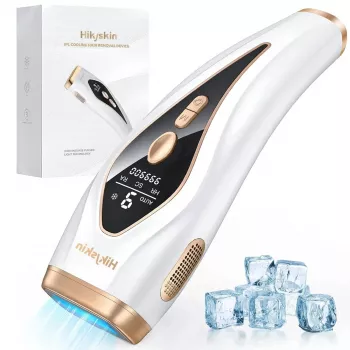
IPL Hair Removal Device with Ice Cooling: Flashes, Energy Levels, and What They Mean for Results
At-home IPL devices can reduce hair growth over time by targeting pigment in the hair follicle. Features like ice-cooling contact, a high flash count, and multiple energy levels can make sessions more comfortable and easier to tailor to different body areas. This guide breaks down how these specs affect performance, comfort, and upkeep, plus a simple routine to get started safely. For more guidance, see Best Laser Hair Removal Devices.
How IPL Works and Who It’s For
IPL (intense pulsed light) uses broad-spectrum light that is absorbed by melanin (pigment) in the hair. That absorbed light converts to heat, which can disrupt the follicle’s growth cycle and gradually reduce regrowth. For further reading, see Is It Possible for Light-Based Hair Removal Home Devices to ….
Results are typically gradual rather than instant. With consistent sessions, hair often grows back finer and slower, especially during the first 8–12 weeks. Many people notice patchy reduction first, then broader smoothness as they keep up with the schedule.
IPL tends to work best when there’s strong contrast: darker hair on lighter skin. Very light blonde, gray, or red hair can be harder to treat because there’s less melanin to absorb the light. Likewise, some deeper skin tones or recently tanned skin may not be suitable depending on the device’s safety limits. Always check the device skin-tone chart and warnings, and when in doubt, start conservatively.
For more background on light-based hair reduction safety and expectations, see guidance from the U.S. Food & Drug Administration and the American Academy of Dermatology Association.
Ice Cooling: What It Changes About Comfort
Ice-cooling contact is primarily about comfort. By lowering the surface heat sensation during flashes, cooling can make treatments feel more manageable—especially if you’re treating larger areas and want to stick with a consistent routine.
Cooling tends to be most noticeable on sensitive zones like the upper lip, underarms, and bikini line, where a stinging or “snap” sensation is more common. That said, cooling doesn’t replace good technique. Clean, dry skin and correct placement still matter for both comfort and consistent coverage.
If irritation occurs, reduce the energy level, slow down, increase time between passes, and avoid treating compromised skin (like areas with active rash, sunburn, or broken skin).
Comfort factors that affect a session
| Factor | Why it matters | Practical tip |
|---|---|---|
| Cooling contact | Helps manage surface heat sensation | Start at a lower level and increase gradually even with cooling enabled |
| Skin prep | Oils and deodorant can increase irritation and reduce light delivery | Wash, dry thoroughly, and avoid lotions right before treatment |
| Hair length | Long hair can singe and feel hotter | Shave 12–24 hours before (avoid waxing or plucking) |
| Pressure and angle | Gaps between window and skin can cause inconsistent flashes | Keep full contact and move slowly, overlapping slightly |
Flash Count: What 999,900 Flashes Really Means
A high flash count is mostly about device longevity. “999,900 flashes” means the lamp is rated for a very large number of pulses before it reaches its expected limit. Practically, that can translate to years of regular sessions, plus plenty of touch-ups, without worrying about quickly running out of flashes.
The real-world value depends on how you use the device. A “stamping” method (single-flash placement) can use more flashes than a glide/auto mode that pulses as you move. Larger coverage areas (like full legs) also consume more flashes than smaller zones (like underarms).
9 Energy Levels: How to Choose the Right Setting by Area
Simple starting guide for energy levels
| Area | Suggested starting range | Adjustment cues |
|---|---|---|
| Upper lip/face | Low | If warmth is sharp or redness lasts >24 hours, step down or extend intervals |
| Underarms | Low to mid | If comfortable after 2–3 sessions, increase one level for stubborn growth |
| Bikini line | Low to mid | Use smaller sections; consider staying mid to prioritize comfort |
| Arms | Mid | Increase gradually if regrowth remains coarse after several weeks |
| Legs | Mid to higher (as tolerated) | Aim for comfortable warmth; avoid pushing to the highest level early |
A Practical Routine: From First Session to Maintenance
Safety and Skin Considerations
Product Snapshot: Ice Cooling, 999,900 Flashes, 9 Levels
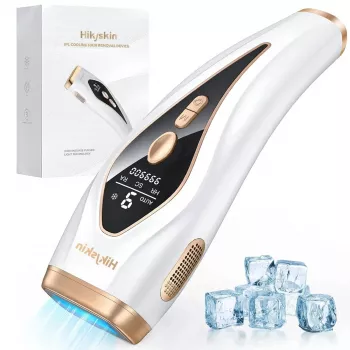
If you want a home device that prioritizes comfort while still offering adjustability, IPL Hair Removal Device with Ice Cooling, 999900 Flashes, 9 Energy Levels is built around three practical specs: cooling contact to soften the heat sensation, a high rated flash count for long-term use, and nine energy levels to tailor intensity by body area.
More in-stock picks
FAQ
How many sessions are usually needed to see results with an IPL device?
Hair grows in cycles, so IPL needs repeated sessions to catch follicles at the right stage. Many people see noticeable reduction over an 8–12 week initial phase with regular use, then shift to maintenance sessions every few weeks; results vary by area and hair/skin contrast.
Does ice cooling make IPL safer or just more comfortable?
Ice cooling mainly improves comfort by helping manage the surface heat sensation during flashes. Safety still depends on using settings appropriate for your skin tone, patch testing, following contraindications, and avoiding sun exposure around treatment time.
Can the device be used on the face and bikini area?
Some IPL devices allow facial use in approved zones (often below the cheekbones) and can be used on the bikini line, but you should avoid the eye area and follow the manual’s limits closely. Use lower levels, treat small sections, and patch test first to confirm tolerance.







Leave a comment