Mini Pocket Massage Gun: 4 Speeds, Quiet Deep Relief
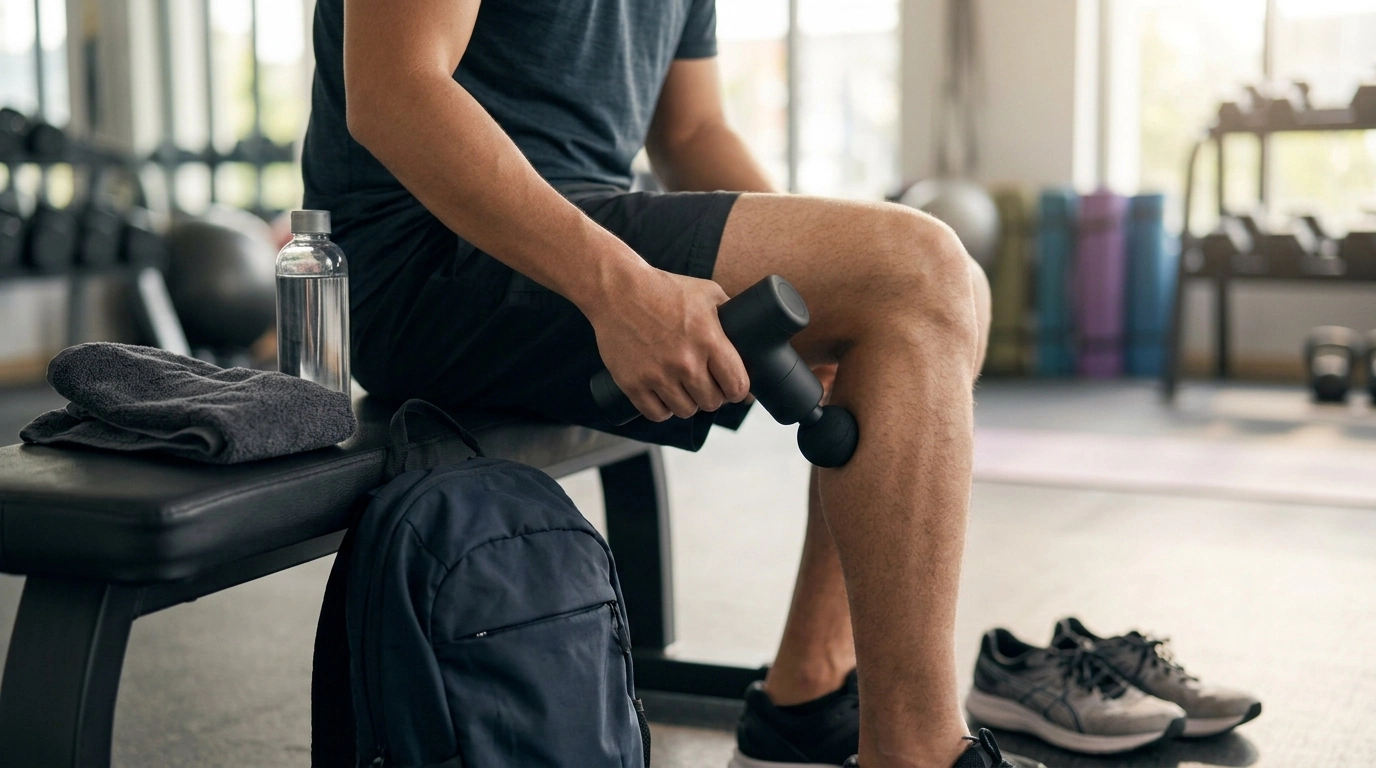
Mini Pocket Massage Gun for Deep Tissue Relief with 4 Speeds & Quiet Motor
A compact massage gun can make post-workout recovery, desk-day tension, and travel soreness easier to manage without the bulk of full-size devices. This mini pocket model focuses on deep tissue relief with four speed options and a quiet motor, aiming for effective percussion in a portable, easy-to-pack form. For many people, the real win is consistency: when a tool is small enough to live in a backpack or desk drawer, it’s more likely to get used for short, helpful sessions instead of sitting on a shelf.
Percussive devices are often used to help muscles feel looser and more relaxed by stimulating local circulation and easing the sensation of tightness. If you’re curious about how massage guns may help and how to use them responsibly, the Cleveland Clinic offers a practical overview of potential benefits and considerations: Percussive therapy: mechanism and potential benefits.
What a Pocket Massage Gun Is Best For
- Targeting tight spots in common areas like calves, quads, glutes, traps, forearms, and feet
- Quick pre-activity warmups to increase local circulation and help muscles feel “ready”
- Post-activity cooldowns to reduce the feeling of stiffness and promote relaxation
- Travel, office, and gym-bag use where compact size matters
- Short sessions on smaller muscle groups where control and precision are more important than maximum force
A mini device shines when you want quick, repeatable relief: a minute on the calves after a walk, a few passes on forearms after typing, or a short reset for traps after a long drive. For deep, heavy work on large muscle groups, bigger units can offer more sustained force—but pocket models often feel easier to steer and less “too much” for sensitive areas.
Key Features That Matter for Deep Tissue Relief
- Four speed levels: easier to start gently, then increase intensity once the area warms up
- Quiet motor: more comfortable for shared spaces (office, living room) and less distracting during use
- Pocket-friendly build: supports consistent use by being easier to keep nearby
- Simple controls: quicker to adjust intensity mid-session without breaking rhythm
- Rechargeable convenience: avoids disposable batteries and supports on-the-go use
“Deep tissue relief” doesn’t require brute force all the time. A lot of the benefit comes from a comfortable intensity you can maintain while keeping the head moving slowly. That’s where multiple speeds and a calmer sound profile help—especially if you’re using it regularly rather than only when you’re already very sore.
Speed Guide: When to Use Each Level
- Use the lowest speed for sensitive areas, first-time use, and bony regions (shins, near joints)
- Use mid speeds for general muscle maintenance on larger groups (quads, hamstrings, glutes)
- Use higher speeds for short bursts on stubborn tightness after the muscle is warmed up
- Keep sessions moving: slow, steady passes are typically more comfortable than pressing hard in one spot
- If tingling, numbness, sharp pain, or increased discomfort appears, stop and reassess technique and pressure
Practical speed and session guide
| Speed level | Best use | Typical time per area | Pressure cue |
|---|---|---|---|
| 1 (gentle) | Warmup, sensitive areas, beginners | 30–60 seconds | Light contact, let the head glide |
| 2 (moderate) | Everyday tightness, maintenance | 60–90 seconds | Light-to-medium pressure |
| 3 (firm) | Post-workout stiffness, larger muscles | 60–120 seconds | Medium pressure; avoid joint lines |
| 4 (intense) | Short focus work after warming up | 15–45 seconds | Medium pressure only; prioritize comfort |
How to Use a Mini Massage Gun Safely and Effectively
- Start on a low speed and sweep the muscle slowly; increase speed only after the area feels warmed up
- Keep the device moving; avoid prolonged holding on one point, especially near tendons or joints
- Use light-to-medium pressure; pressing harder is not always better and can increase soreness
- Work around (not directly on) the spine, front of the neck, and other sensitive regions
- Limit total session time: a few minutes per muscle group is often enough for a noticeable change in feel
- Hydrate and pair with gentle stretching or active mobility for a more lasting “loose” sensation
If you’re managing post-exercise tenderness, it helps to distinguish normal training soreness from a warning sign. The Mayo Clinic’s overview of DOMS can help you calibrate expectations and recovery habits: Delayed onset muscle soreness (DOMS) overview.
Noise, Portability, and Everyday Convenience
- Quiet operation supports use while watching TV, in a shared room, or during travel downtime
- Compact size makes it easier to keep in a backpack, desk drawer, or carry-on
- A smaller form factor can improve control on forearms, feet, and shoulder areas
- Best suited for quick relief and maintenance rather than long, high-force sessions typical of larger units
Who This Pocket Model Suits Best
Product Snapshot
Shop In-Stock Picks
- Mini Pocket Massage Gun for Deep Tissue Relief with 4 Speeds & Quiet Motor — a grab-and-go option for targeted muscle care with adjustable intensity and quieter operation.
- Stainless Steel Belgian Waffle Maker — an easy way to build a quick post-workout breakfast at home when recovery also means refueling.
FAQ
How long should a massage gun be used on one muscle?
A practical range is about 30–120 seconds per area, depending on sensitivity and speed level. Keep the head moving slowly instead of pressing hard in one spot, and stop if you feel sharp pain, numbness, or tingling.
Can a massage gun be used every day?
Daily use is often fine when you stick to low-to-moderate intensity and short sessions. If soreness increases or the area feels irritated, take a break and resume with less pressure or a lower speed.
Is a quiet motor still strong enough for deep tissue relief?
Yes—noise level and effectiveness aren’t the same thing. Deep tissue relief is usually more about choosing an appropriate speed, using steady technique, and being consistent than it is about how loud the device sounds.







Leave a comment