2.5L Ceramic Casserole Pot on Gas: High-Heat Soup Tips
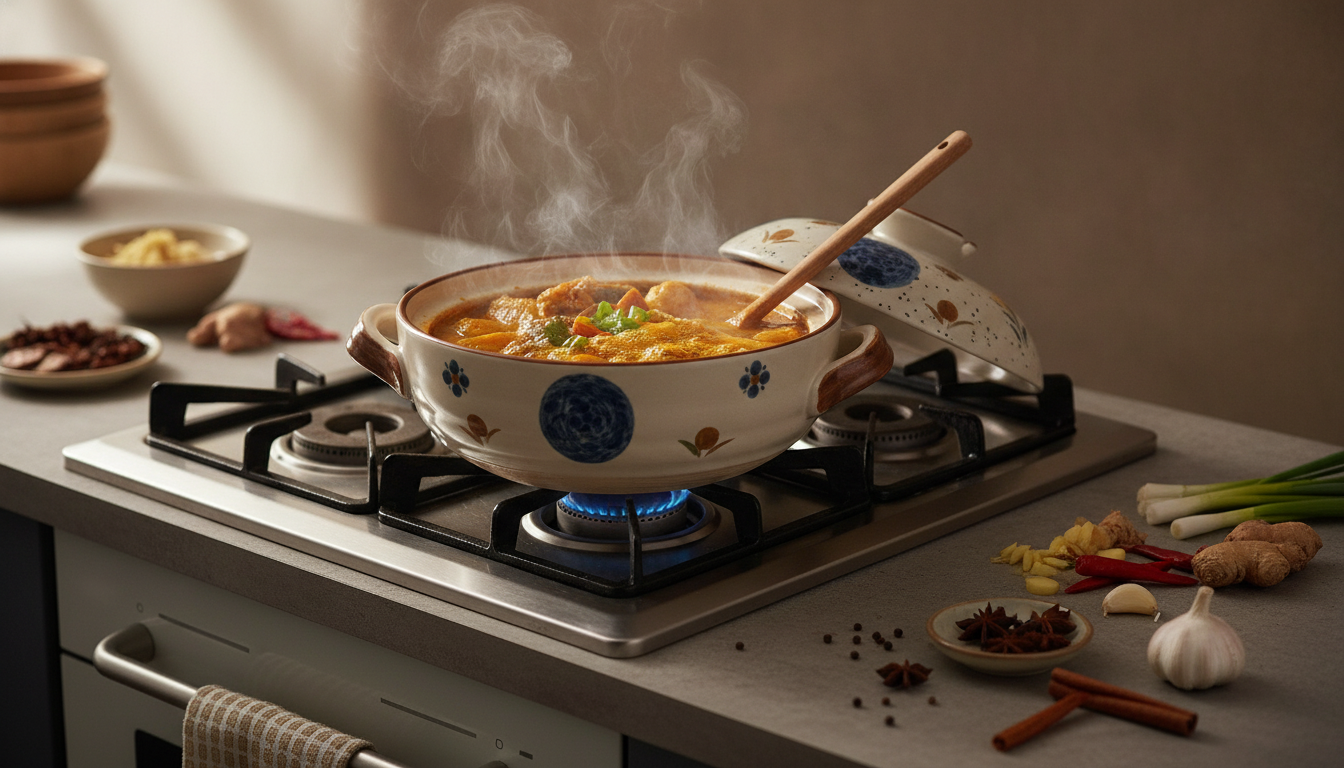
2.5L Ceramic Casserole Pot for High-Heat Soups and Stews on Gas Stoves
A ceramic clay casserole pot brings gentle, even heat to broths, braises, and slow-simmered stews—while still handling the fast, responsive flame control of a gas stove. The trick is knowing how ceramic behaves at higher temperatures, choosing a practical capacity for everyday meals, and building a few habits that protect the pot from thermal shock. Below is a practical guide to getting rich flavor and steady results from a 2.5L ceramic casserole pot on gas.
What Makes a High-Heat Ceramic Clay Pot Different
Ceramic cookware shines when a recipe needs consistency more than speed. Dense ceramic walls stabilize temperature, which helps reduce rapid boil-overs and supports a calm, steady simmer once the pot is warmed through. That stable heat is especially helpful for soups that foam, bean pots that surge, and stews that can scorch at the bottom when the heat spikes.
Clay-based cookware also holds onto moisture well. Because the pot and lid retain heat evenly, the cooking environment stays humid, which can help soups and stews taste fuller-bodied with less evaporation. With a fitted lid, condensation forms and drips back down—an effect that supports tender beans, root vegetables, and tougher cuts over longer cooks.
For “high-heat” use, the most important difference is the warm-up style: ceramic prefers controlled heat increases rather than sudden max-flame starts. Treat it like a slow ramp instead of a sprint, and it rewards you with steady bubbling instead of hot-spot chaos.
Why It Works Well on Gas Stoves
Gas heat changes instantly, which is great for control—but ceramic benefits from gradual adjustments to prevent thermal shock. Once preheated gently, ceramic holds heat so effectively that low-to-medium flames are often all you need for a long simmer.
For the best performance, match the burner size to the pot’s base and keep the flame centered under the footprint. Avoid flames licking up the sides; side-flame exposure can create uneven expansion and raise the risk of cracking over time. If your burner runs extremely hot or has a narrow, intense flame pattern, a diffuser (heat spreader) can help smooth out hot spots and keep the base heating more evenly.
Capacity and Everyday Use: What 2.5L Handles Comfortably
A 2.5L capacity is a sweet spot for daily cooking—large enough for a satisfying meal, small enough to heat efficiently and store easily. For most soup, curry, chili, or stew recipes, it comfortably makes about 2–4 servings depending on how dense the ingredients are (more vegetables and meat = fewer bowls; more broth = more bowls).
This size is ideal for one-pot meals like lentil soup, chicken and rice, seafood stew, or tagine-style vegetable dishes. It’s also great for sides and batch cooking when you don’t need a huge stockpot: braised greens, beans, porridge, or a smaller bone-broth simmer.
One practical detail: headspace matters. Leave room for bubbling liquids so the simmer stays controlled, the lid remains properly seated, and you avoid boil-over mess—especially important on gas, where a flare-up can happen if liquid hits the flame.
Cooking Guidance: Getting the Best Flavor Without Cracks or Scorching
Start low, then climb
Place the pot on the burner and begin on low flame for a few minutes. Once the pot is warming evenly, increase to medium as needed. This gradual ramp helps protect ceramic from sudden temperature stress while still letting you reach an active simmer.
Stir early when thickening
Avoid cold-to-hot shocks
Use surface-friendly utensils
Feature Snapshot and Best-Use Guide
| Cooking task | Heat level on gas | Why it fits ceramic | Simple tip |
|---|---|---|---|
| Soup simmer (broth, chicken noodle, miso-style) | Low to medium | Steady temperature reduces aggressive boiling | Bring to a gentle simmer, then lower flame |
| Stew/braise (beef, lamb, beans) | Low (after warm-up) | Moisture retention supports tender texture | Keep lid on; check liquid level occasionally |
| Tomato-based sauces | Low to medium | Even heat helps prevent hot-spot scorching | Stir during warm-up; avoid high flame |
| Porridge/congee/oatmeal | Low | Gentle heat helps reduce sticking | Rinse starches; stir near thickening point |
| Rapid boil for pasta | Medium (cautious) | Possible but less efficient than metal pots | Use sufficient water and avoid max flame |
Cleaning, Storage, and Longevity
For food-safety context around ceramics and potential contaminants, the FDA offers helpful guidance on lead in ceramicware: U.S. Food & Drug Administration (FDA) — Lead in Ceramicware.
Safety and Food Contact Notes
When storing leftovers from soups and stews, follow safe cooling practices (shallow containers and prompt refrigeration). The USDA provides clear, practical steps here: USDA FSIS — Cooling and storing soup and other leftovers.
Shop In-Stock Picks
FAQ
Can a ceramic clay casserole pot be used on a gas stove at high heat?
Yes—when you increase heat gradually and keep the flame under the base. Avoid sudden maximum-flame starts and extreme temperature swings to reduce the risk of thermal shock.
How do you prevent a ceramic pot from cracking on the stove?
Warm the pot slowly, avoid adding very cold liquid to a very hot pot, and let it cool before washing. If your burner runs unusually hot or concentrated, a diffuser can help spread heat more evenly.
What size meals does a 2.5L casserole pot make?
Most recipes yield about 2–4 servings for soups and stews, depending on ingredient density. Leave a little headspace for bubbling so liquids don’t boil over and the lid stays properly seated.








Leave a comment