80 km/h Brushless 4WD RC Car for Off-Road Drifts
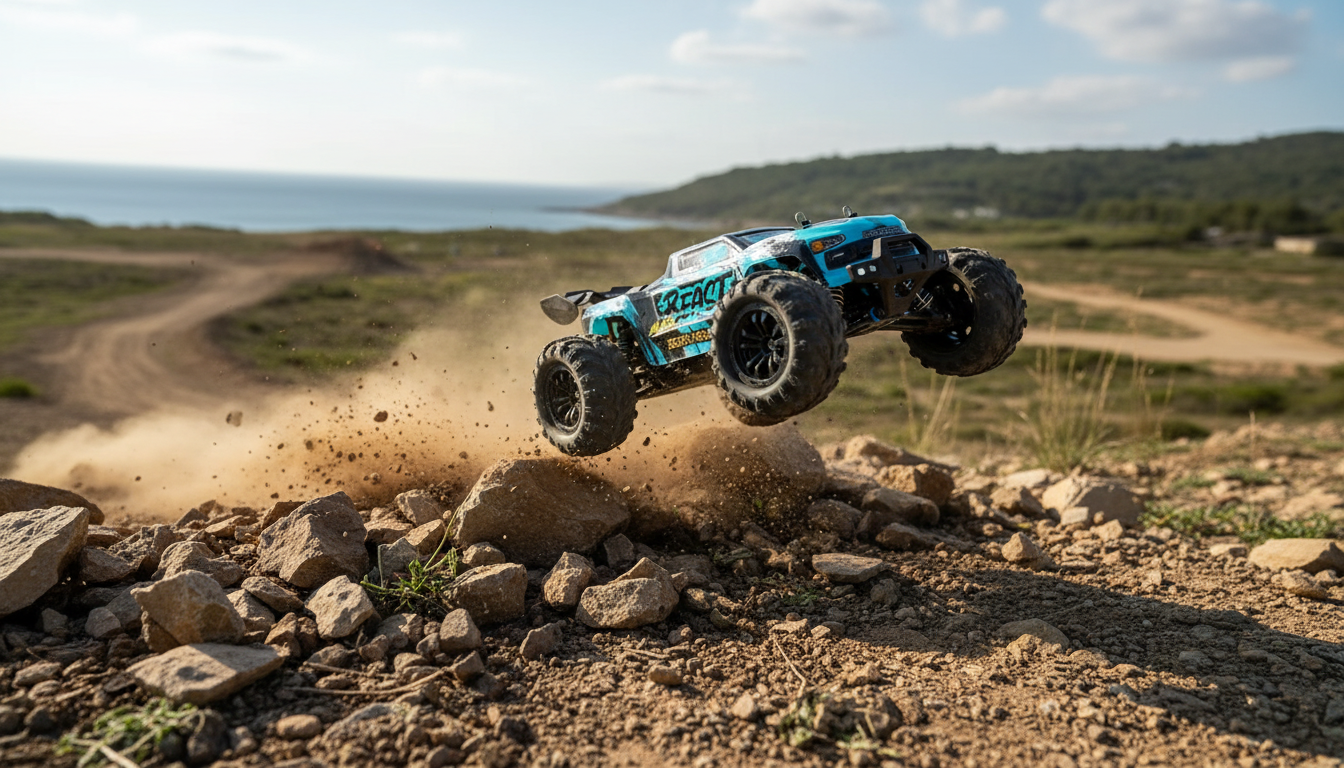
High-Speed Brushless 4WD RC Car (80 km/h): Off-Road Drift Racing with LED Lights
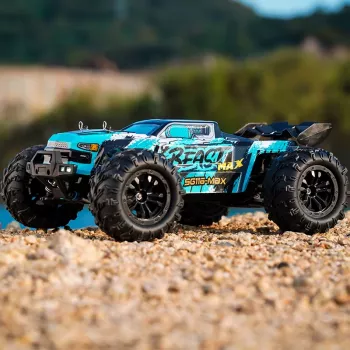
A brushless 4WD RC car built for quick acceleration, stable cornering, and versatile driving—ripping across dirt and gravel, then switching to controlled slides on smoother surfaces. With bright LED lighting for dusk runs and improved visibility, this setup targets drivers who want speed, traction, and durability in a single platform.
What This RC Car Is Built For
This style of RC car is designed to feel fast and planted at the same time. Brushless power delivers the punch needed for quick throttle response, while 4WD helps keep the chassis driving forward when surfaces get loose.
- High top-speed performance paired with brushless power for strong punch and efficient running
- 4WD traction for off-road stability, quicker launches, and more controlled drift exits
- Off-road driving on packed dirt, gravel, short grass, and rougher surfaces where 2WD cars can struggle
- Drift-style driving on smoother ground with throttle modulation and steering input
- LED lights for visibility in low light and easier orientation at distance
If your driving spot changes week to week—an open dirt lot one day, smooth pavement the next—this is the type of platform that keeps up without requiring a full re-build every time you switch terrain.
Brushless Power and What It Changes on the Track
The biggest difference between brushless and brushed RC setups is how the car delivers power. Brushless systems tend to feel more immediate on throttle, hold speed more easily, and run efficiently when geared and cooled correctly.
- Stronger acceleration and higher sustained speed compared with brushed setups at similar sizes
- Better efficiency can mean less heat buildup during spirited driving (still monitor temps after hard runs)
- More responsive throttle makes it easier to break traction for drifts and to correct slides
- Expect increased drivetrain load at high speed; routine checks on gears, shafts, and fasteners help prevent wear
One practical tip: high-speed runs can be deceptive—everything feels fine until a pinion set screw backs out or a wheel nut loosens. A quick once-over before and after driving helps protect the performance you’re paying for.
4WD Handling: Off-Road Grip and Drift Control
4WD changes how the car behaves the moment traction gets inconsistent. Instead of relying on two driven wheels to pull (or push) the chassis through loose dirt, power is distributed, so the car stays more composed under acceleration and holds momentum better.
- 4WD helps keep momentum through loose surfaces by distributing power to all wheels
- More predictable steering under acceleration compared with 2WD, especially on dirt and gravel
- Controlled drifts come from balancing throttle input and steering angle; 4WD can pull the car out of a slide faster
- Tire choice and surface matter: knobby tires favor off-road grip, while harder compounds slide more easily on pavement
4WD vs 2WD at a Glance
| Feature | 4WD (this style) | 2WD (typical alternative) |
|---|---|---|
| Launch and acceleration | Stronger traction and straighter launches | More wheelspin on loose ground |
| Off-road stability | More planted on dirt/gravel | Can feel tail-happy and harder to correct |
| Drift feel | Easier to recover and power out | Often more dramatic slides but less forgiving |
| Maintenance focus | More drivetrain parts to inspect | Simpler drivetrain, fewer parts |
LED Lights: Night Runs, Visibility, and Practical Use
LED lights aren’t just for style. At RC speeds, losing orientation for even a second can mean an avoidable crash. Lights make it easier to read direction and distance, especially when the car is far away or the surface has shadows and dips.
- Improves orientation so the car’s direction is easier to read at speed and distance
- Useful for late-day running in shaded areas or during overcast conditions
- Helps spot the car when driving behind terrain bumps or in taller grass edges
- For best results, avoid aiming the car directly toward reflective surfaces that can obscure depth perception
For battery-powered RC vehicles, visibility also supports safer driving—keeping the car within line of sight and helping you avoid pedestrians, pets, and obstacles.
Everyday Durability and Care at High Speed
Any RC car can be fast; the better experience is staying fast after dozens of runs. High speed and off-road debris both increase wear, so small maintenance habits make a noticeable difference.
For additional guidance on general RC tips and setup, RC Car Action is a solid reference: https://www.rccaraction.com/. For LiPo handling best practices, Traxxas’ battery safety resources are also helpful: https://traxxas.com/support.
Who This Car Fits Best
Price, Availability, and What to Expect in the Box
Quick Product Snapshot
| Item | Details |
|---|---|
| Product | High-Speed Brushless 4WD RC Car 80KM/H Off-Road Drift Racing Car with LED Lights |
| Price | 192.51 USD |
| Stock status | In stock |
| Best use | Fast outdoor runs, off-road driving, drift-style slides, low-light visibility |
More In-Stock Picks
FAQ
Is 80 km/h realistic for this type of RC car?
Top speed depends on battery condition, gearing, surface grip, tire choice, and even wind. Real-world speeds can land below maximum ratings, but brushless power paired with 4WD traction makes high speeds achievable with a solid setup and enough open space.
Can it drift and still work off-road?
Yes—drifting is easiest on smoother surfaces with tires that can break traction predictably, while off-road driving benefits from deeper tread for grip. With throttle control and the right surface, you can switch between controlled slides and planted off-road runs.
Are LED lights just cosmetic, or do they help?
They help with practical visibility by improving orientation at distance and making the car easier to track in low light. They don’t replace safe driving space and line-of-sight, but they can reduce “lost direction” moments at speed.









Leave a comment