Graffiti Kids Bike: Basket + Training Wheels for Beginners
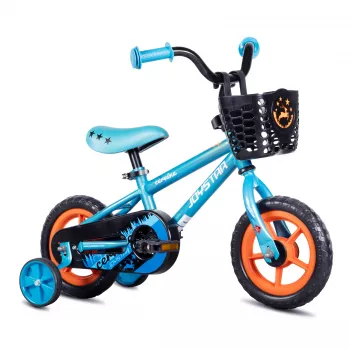
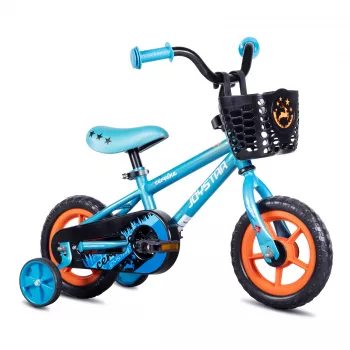
Graffiti Kids Bike with Basket & Training Wheels
A first “real bike” should feel fun, stable, and easy to handle. The Graffiti Kids Bike with Basket & Training Wheels is made for early riders who want a colorful look, a simple way to carry small treasures, and extra balance support while building pedaling and steering confidence.
For parents and caregivers, the goal is simple: more happy practice rides and fewer wobbly, stressful moments. A bike that feels approachable—especially on day one—can make the difference between “Can we ride again?” and “I’m done.”
What makes this bike a great first ride
Stable learning support that still feels like a real bike
Training wheels add side-to-side stability for beginners working on starts, stops, and gentle turns. That stability helps a new rider focus on pedaling and steering rather than worrying about tipping over at slow speeds.
A basket that turns rides into mini-adventures
The front basket provides a convenient spot for small, lightweight items like a water bottle, a tiny toy, or a rolled-up layer. Having a “cargo spot” can make quick neighborhood loops feel purposeful—kids love bringing something along.
Kid-forward style that motivates practice
Bright, playful styling can be a surprisingly powerful motivator. When a child is excited about how their bike looks, it’s easier to choose riding over screens and to ask for more practice sessions.
Simple setup encourages frequent skill-building
Short, consistent rides (even 10 minutes) build coordination faster than occasional long sessions. A straightforward, beginner-friendly bike setup helps make those quick practice rides easy to start—and easy to repeat.
Who it fits best
This style of kids bike is a strong match for:
- New riders transitioning from a balance bike, trike, or scooter to pedals.
- Kids who need extra confidence while learning to steer smoothly and brake predictably.
- Families who like the practicality of a basket for quick outings (park loops, driveway practice, nearby friends).
- Caregivers who prefer a familiar learning path: training wheels first, then gradual removal when ready.
At-a-glance fit and readiness guide
| Checkpoint | What to look for | Why it matters |
|---|---|---|
| Standing over the bike | Child can straddle with a little clearance | Reduces tip-over anxiety and helps safe stops |
| Seat height | Can place the balls of both feet on the ground when seated | Makes starts and stops less stressful |
| Reach to handlebars | Elbows slightly bent, shoulders relaxed | Improves control and comfort |
| Braking ability | Hands can squeeze levers (or use coaster brake if equipped) confidently | Prevents runaway speed on gentle slopes |
| Practice area | Flat, open space with minimal traffic | Safer learning and quicker skill gains |
Setting up training wheels and basket
A few small adjustments can make early rides dramatically smoother:
- Align training wheels evenly so the bike doesn’t lean hard to one side.
- Once basic balance improves, set the training wheels slightly above the ground (a small gap). This encourages a natural lean and better steering while keeping a “save” if the rider wobbles.
- Re-check bolt tightness after the first few rides; vibration can loosen hardware.
- Mount the basket securely and keep loads light. A front basket can affect steering if overfilled or packed unevenly.
- Do a quick pre-ride check: tires feel firm, brakes respond, and the handlebars and seat don’t twist.
How to help a child learn faster (without frustration)
Progress is usually quicker when practice feels easy, predictable, and positive.
- Keep sessions short (10–15 minutes) and end on a win, like one smooth start or a calm stop.
- Use simple cues: “Look where you want to go,” “Soft hands,” and “Slow feet to stop.”
- Practice starts: position one pedal up, push off, then pedal. Repeat until it becomes automatic.
- Introduce gentle turns with cones or sidewalk chalk paths to build steering confidence gradually.
- When ready, raise the training wheels slightly and encourage brief “floating” moments where the bike balances naturally.
Safety essentials for everyday rides
Daily habits matter more than “perfect” gear. Start with the basics and keep it consistent.
- Use a properly fitted bicycle helmet every ride. For fit guidance, review the Consumer Product Safety Commission helmet recommendations at CPSC.gov and the helmet fit tips from NHTSA.
- Choose closed-toe shoes with good grip; avoid loose laces and wide pant legs that can catch the chain.
- Ride in safe areas like driveways, cul-de-sacs, park paths, and empty lots. Skip steep hills during early learning.
- Add visibility: bright clothing in daytime and reflectors or lights for dusk rides.
- Adult supervision is important during the learning phase, especially near driveways and intersections. The American Academy of Pediatrics offers additional safety guidance at HealthyChildren.org.
Care and upkeep that keeps rides smooth
When to remove the training wheels
In-stock picks you can add to the cart
- Graffiti Kids Bike with Basket & Training Wheels ($69.01)
- Miu Miu Azure Patent Leather Thong Sandal with Square Toe and T-Style Design ($574.81)
- Prada Polo Sweater ($795.80)
FAQ
How much weight can the front basket hold?
Keep basket loads light—small items only—so steering stays steady and predictable. If a specific weight limit is listed for your bike, follow the product details or manual.
Should training wheels touch the ground at the same time?
For true beginners, even alignment helps the bike feel stable and prevents a constant lean to one side. As confidence improves, a small gap can encourage natural balance—then re-tighten the hardware after the first few rides.
What’s the safest way to teach starting and stopping?
Practice on flat ground using a “one pedal up” start and repeat gentle, controlled stops with calm braking. A properly fitted helmet and close adult supervision make early learning much safer.







Leave a comment