Heated Shiatsu Neck Massager: Infrared 3D Kneading
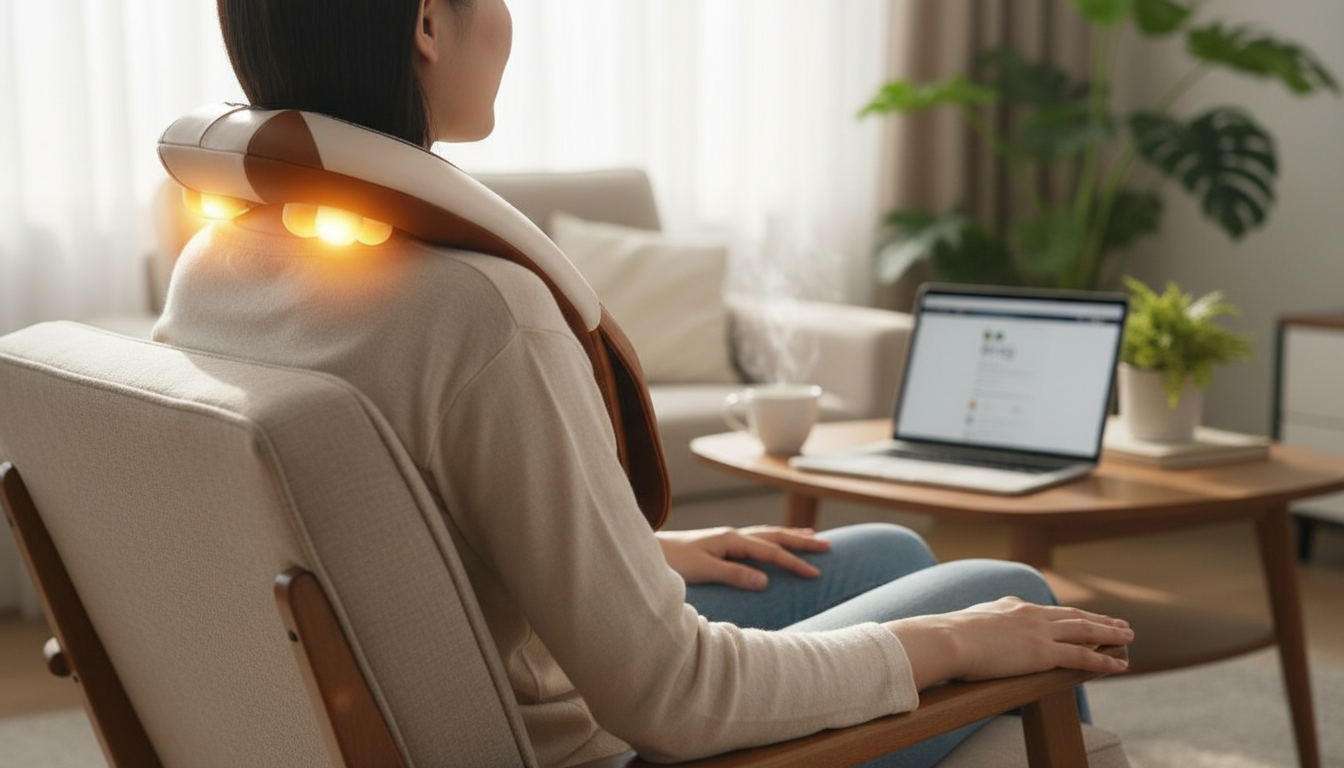
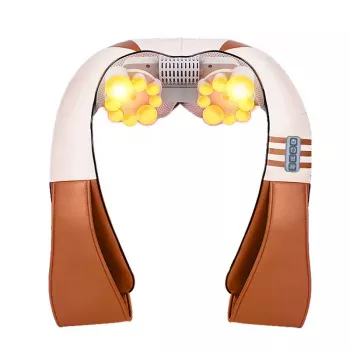
Heated Shiatsu Neck and Shoulder Massager with Infrared and 3D Kneading: Everyday Relief for Tight Muscles
Neck and shoulder tension can build fast from long desk hours, travel, workouts, or stress. A heated shiatsu massager with infrared warmth and 3D kneading is designed to mimic hands-on pressure, helping loosen tight spots and promote relaxation at home. This guide breaks down what it does, who it helps most, and how to use it comfortably and safely.
What This Massager Does (and What It Doesn’t)
A heated shiatsu neck-and-shoulder massager is made to address common “tight trap” days—when your upper back feels knotted, your shoulders creep up, and turning your head feels stiff. Most models use rotating nodes that press, roll, and knead in a way that’s meant to feel closer to thumbs than to a simple vibration pad.
- Combines rotating kneading nodes with heat to target common tension zones around the neck, trapezius, and upper back.
- 3D kneading aims to feel more lifelike by varying pressure and direction rather than a flat vibration-only sensation.
- Infrared-style heat is intended to add soothing warmth that can make muscles feel more pliable during a session.
- Best for muscle tightness and everyday soreness; not a substitute for medical evaluation of persistent pain, numbness, or radiating symptoms.
For general background on potential benefits and risks of massage, the Mayo Clinic overview of massage therapy is a helpful reference. For heat comfort and timing, see the Cleveland Clinic guide to heat therapy.
Key Features to Look For in a Heated Shiatsu Neck-and-Shoulder Unit
Comfort comes down to control. The best experience usually happens when you can fine-tune intensity, rotate direction, and decide whether heat is on—especially if your traps are sensitive or you’re prone to post-massage tenderness.
- Kneading intensity options: makes it easier to match comfort level, especially for sensitive traps and base-of-neck areas.
- Direction controls: reversing rotation can help work along muscle fibers and reduce “same-spot” fatigue.
- Heat on/off: useful for warm climates, post-workout preference, or heat sensitivity.
- Ergonomic straps/handles: allows adjusting pressure by pulling down gently rather than forcing the neck forward.
- Auto shutoff timing: helps prevent overuse and supports consistent session length.
Feature guide for comfortable daily use
| Feature | Why it matters | Quick tip |
|---|---|---|
| 3D kneading nodes | More natural-feeling pressure and contouring over shoulders | Start on the lowest setting and increase after 1–2 minutes |
| Heat / infrared warmth | Soothes tight muscles and improves relaxation | Use heat for stiff mornings; turn off if feeling overheated |
| Reverse direction | Balances stimulation and prevents tenderness in one area | Switch direction midway through a session |
| Adjustable pressure via straps | Lets the user control depth without straining posture | Keep shoulders down and relaxed while pulling straps lightly |
| Auto shutoff | Helps avoid overdoing it, especially on sensitive areas | Stick to one cycle, then reassess how the area feels |
Where It Helps Most: Target Areas Beyond the Neck
Although it’s shaped for the neck-and-shoulder region, a shiatsu unit can often be repositioned for other muscle groups—as long as you keep it on soft tissue and avoid joints or bony ridges.
- Upper back and between shoulder blades: useful after long computer sessions or driving. Lean back gently so the nodes land on muscle, not the spine.
- Shoulders/traps: a common area for stress-related tightness; use controlled pressure to avoid next-day soreness.
- Lower back: can be used while seated with support; keep the device stable to prevent slipping and keep nodes off the spine.
- Arms and legs: can help with general muscle fatigue; avoid bony areas and joints (knees, shins, elbows).
How to Use It for Desk-Body Tension (Simple Routine)
For many people, the “desk-body” pattern is predictable: shoulders elevated, head drifting forward, and upper traps doing too much work. A short routine can feel better than a long session that leaves you tender.
Comfort and Safety Notes
Product Snapshot and What to Expect at Home
Recommended in-stock picks
- Heated Shiatsu Neck and Shoulder Massager with Infrared and 3D Kneading — a focused option for daily neck/upper-back tightness. See price and availability.
- Prada Polo Sweater — a cozy layer for cooldown time after a session or for chilly offices where shoulders tend to tense up.
- Burberry Lambskin Shearling Jacket – Classic Style Redefined — warm outerwear that can help you stay comfortable on cold commutes when upper-back tension tends to flare.
At-a-glance details
| Item | Details |
|---|---|
| Name | Heated Shiatsu Neck and Shoulder Massager with Infrared and 3D Kneading |
| Price | 87.01 USD |
| Availability | In stock |
| Best for | Neck/shoulder tightness, upper-back tension, post-workday recovery |
| Product page | Heated Shiatsu Neck and Shoulder Massager with Infrared and 3D Kneading |
FAQ
How long should a session last with a heated shiatsu neck and shoulder massager?
Most people do best with short sessions (often around 10–15 minutes, depending on the device’s cycle). Start with low intensity, stop if soreness increases, and give the area time to recover between sessions.
Is infrared heat safe for daily use?
Infrared-style heat is generally safe when used as directed, but it should never feel hot enough to irritate the skin. Turn heat off if you feel overheated or sensitive, and check with a clinician if you have medical conditions that affect circulation or sensation.
Can it be used on the lower back or legs?
Yes—on muscular areas where you can keep the unit stable and avoid joints or bony spots. Keep the nodes off the spine, use moderate pressure, and discontinue if pain radiates or feels sharp.









Leave a comment