Mini DLP Projector Guide: 2K/4K, Android, Wi‑Fi, Bluetooth
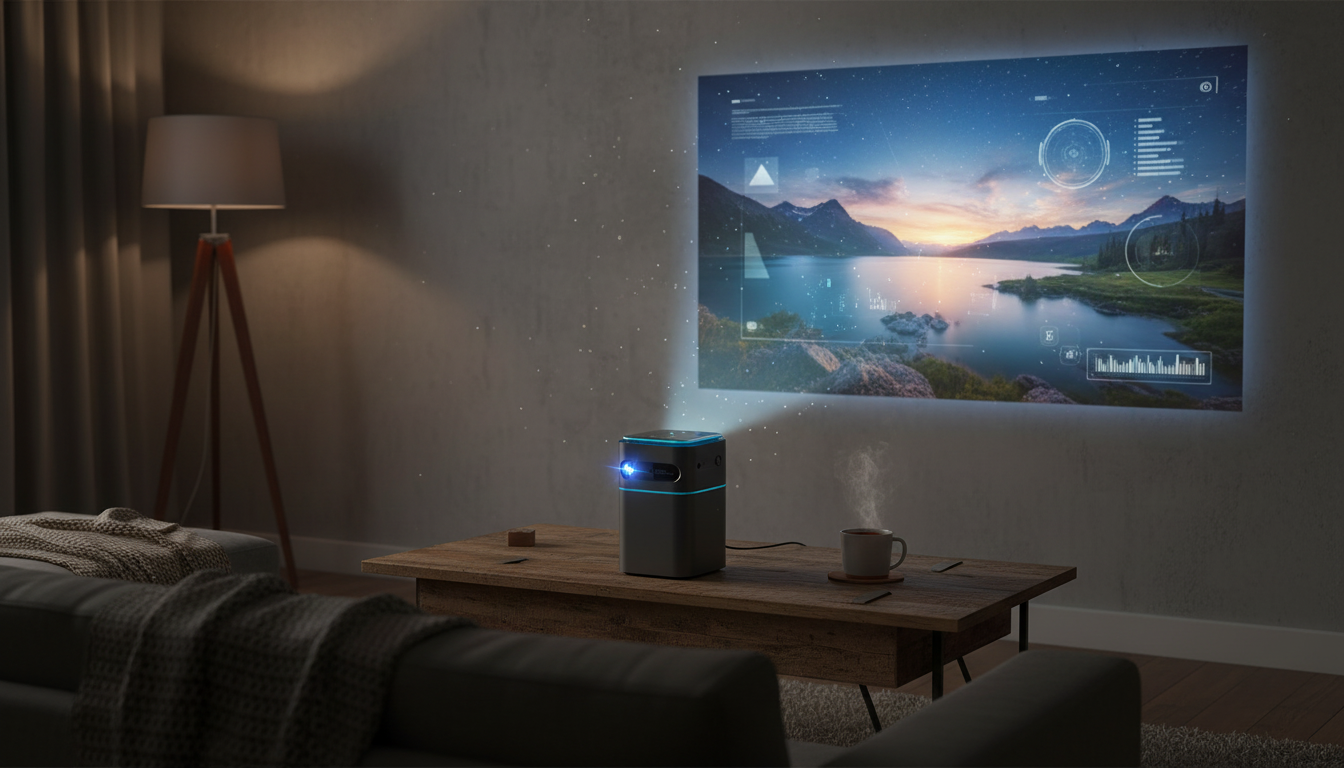
Portable Mini DLP Projector with 2K/4K Support, Android, Wi‑Fi, and Bluetooth
A pocket-friendly DLP projector can turn a blank wall into a movie screen for travel, dorms, patios, and quick presentations. A mini unit with 2K/4K input support, Android features, Wi‑Fi casting, and Bluetooth audio aims to keep setup simple while still delivering a sharp-looking image for its size. Below is a practical guide to what to expect, what to verify, and how to get a cleaner picture and smoother playback in real rooms.
What Makes a Mini DLP Projector Different
DLP (Digital Light Processing) projectors use a tiny chip with microscopic mirrors to form the image. This design often produces a crisp, “snappy” look—especially noticeable on subtitles, menus, and animated content. (For a quick technical overview, see Texas Instruments’ DLP technology overview.)
Mini DLP models prioritize portability and convenience, which means they usually can’t compete with full-size home theater projectors for maximum brightness. The best results typically come in dim or dark rooms, or outdoors after sunset. The upside is speed: quick power-on, simple focus, minimal cables, and smart features that reduce reliance on extra devices.








Leave a comment