Vancasso Pluvo Embossed Stoneware Set: Daily Table Style
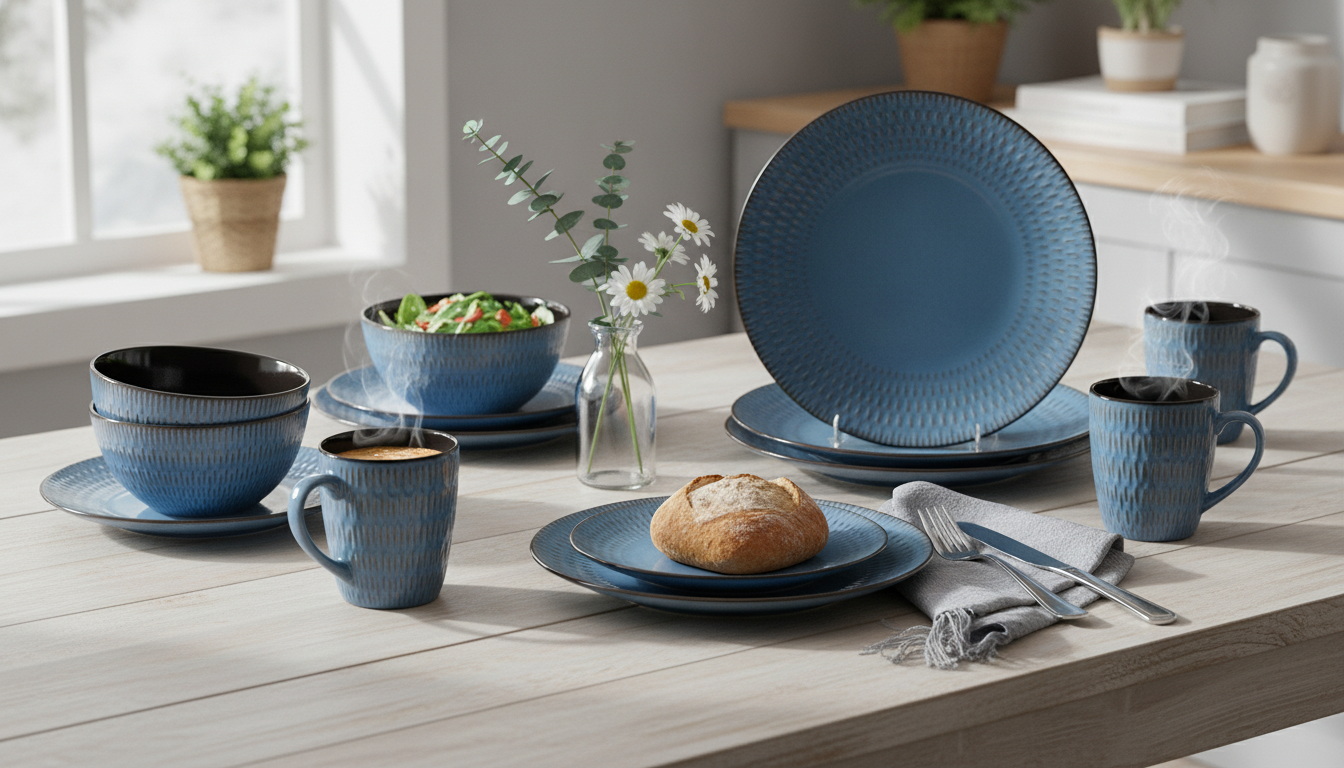
Vancasso Pluvo Embossed Stoneware Dinnerware Set: Textured Style for Everyday Meals
An embossed stoneware set brings texture to the table while staying practical for everyday meals. The Vancasso Pluvo line is designed to feel elevated without being fussy—ideal for weeknight dinners, casual breakfasts, and the occasional hosted meal. Below is a clear guide to what matters most: how the texture reads on the table, how stoneware behaves in daily use, what to confirm before buying, and a care routine that helps the finish keep its best look.
Quick snapshot
- Embossed stoneware look with a tactile, patterned surface that stands out under natural or warm indoor light
- Stoneware body designed for daily dining, from casual breakfasts to hosting
- Best for shoppers who want a coordinated table setting without overthinking mix-and-match
Texture and table presence
Embossed dinnerware changes the feel of a table in a subtle way: instead of relying on bold prints, it uses shadow and depth. That makes simple meals—toast and fruit, pasta, salads—look more intentional without extra plating effort.
- Embossed detailing adds depth, helping the setting feel intentional even with simple food plating.
- A raised pattern can also improve grip compared with fully smooth pieces, especially when handling larger plates.
- For a cohesive look, pair the texture with simple linens and minimal flatware; let the pattern carry the style.
If the goal is an “easy nice” table, embossed pieces do the heavy lifting. Keep napkins neutral, avoid busy chargers, and use glassware with clean lines so the relief stays visually readable.
Stoneware: what it does well
Stoneware is popular for home dining because it hits a sweet spot: heavier and more substantial than many ceramics, but still approachable for daily use. It’s typically fired at high temperatures, which contributes to a dense feel and better resistance to normal wear.
- Stoneware is typically fired at high temperatures, giving it a dense feel and good everyday durability.
- Retains heat better than thinner materials, which can help food stay warm longer once served.
- Glaze quality matters for stain resistance and long-term appearance; avoid harsh abrasives that can dull glossy finishes.
For safety and peace of mind with any ceramic foodware, it’s reasonable to prefer brands that publish clear material and care guidance. If you like to read up on ceramicware safety more broadly, the U.S. Food & Drug Administration (FDA) guidance on lead in ceramicware and the CDC’s lead prevention tips are useful references.
What to confirm before buying
Embossed stoneware is a straightforward buy when the basics match your household: piece count, dimensions, and realistic storage. A few quick checks now can prevent “almost perfect” regret later.
- Set size and piece count: match it to household size and how often guests are served.
- Dimensions: check plate diameter and bowl depth if portioning, storage, or microwave fit is a concern.
- Care labels: confirm dishwasher and microwave guidance on the product page, as stoneware and glazes can vary by collection.
- Replacement strategy: consider whether extra place settings are easy to add later.
Pre-purchase checklist for an embossed stoneware set
| Detail to check | Why it matters | Tip |
|---|---|---|
| Piece count and place settings | Determines how many people can be served at once | Aim for at least 2 extra settings if hosting is common |
| Plate diameter and rim shape | Affects storage space and serving style | Measure cabinet height and dishwasher rack clearance |
| Bowl capacity and depth | Impacts soups, cereals, pastas, and one-bowl meals | Compare to bowls already used daily |
| Glaze finish (matte/gloss) and color variation | Influences stain visibility and overall look | Lighter glossy finishes often show fewer utensil marks |
| Care and use guidance | Prevents cracking or glaze wear over time | Avoid sudden temperature changes unless explicitly permitted |
Everyday use: serving, stacking, and storage
Embossed rims and relief patterns add beauty, but they can slightly change stacking behavior compared with totally smooth plates. That doesn’t make them inconvenient—it just means planning your cabinet space with a little more intention.
- Embossed rims can slightly increase spacing when stacked; keep a little extra shelf height if plates have pronounced relief.
- For small kitchens, prioritize nesting bowls and plates with consistent rims for stable stacks.
- If cabinet space is tight, consider rotating seasonal serveware and keeping daily pieces most accessible.
For dishwashers, it helps to avoid overcrowding. Giving embossed edges a bit of room reduces contact points that can cause clacking during the wash cycle.
Care routine that helps the finish last
Most dinnerware looks best long-term with small habits rather than special products. With embossed stoneware, the main goals are preventing staining in the textured areas and avoiding abrasive wear on the glaze.
Setting ideas for different occasions
Who this set suits best
Where to buy and what to check at checkout
- Prada Polo Sweater
- Burberry Lambskin Shearling Jacket – Classic Style Redefined
- Miu Miu Azure Patent Leather Thong Sandal with Square Toe and T-Style Design
FAQ
Is embossed stoneware dinnerware dishwasher and microwave safe?
Stoneware often is, but it depends on the specific glaze and manufacturer guidance. Confirm the care and use instructions listed on the product page, and avoid thermal shock (sudden hot-to-cold changes) unless explicitly permitted.
Does embossed dinnerware trap food or become hard to clean?
Embossing can add grooves, but routine rinsing and a non-abrasive sponge usually handles it well. For residue in textured areas, use warm water with mild detergent and a soft brush rather than abrasive pads.
How many place settings should a household buy?
A common approach is one setting per household member plus 2 extras for guests and breakage. If hosting is frequent, consider a full additional set so all pieces match during larger meals.








Leave a comment