White Square Stoneware Dinnerware Set (16pc) with Leaf
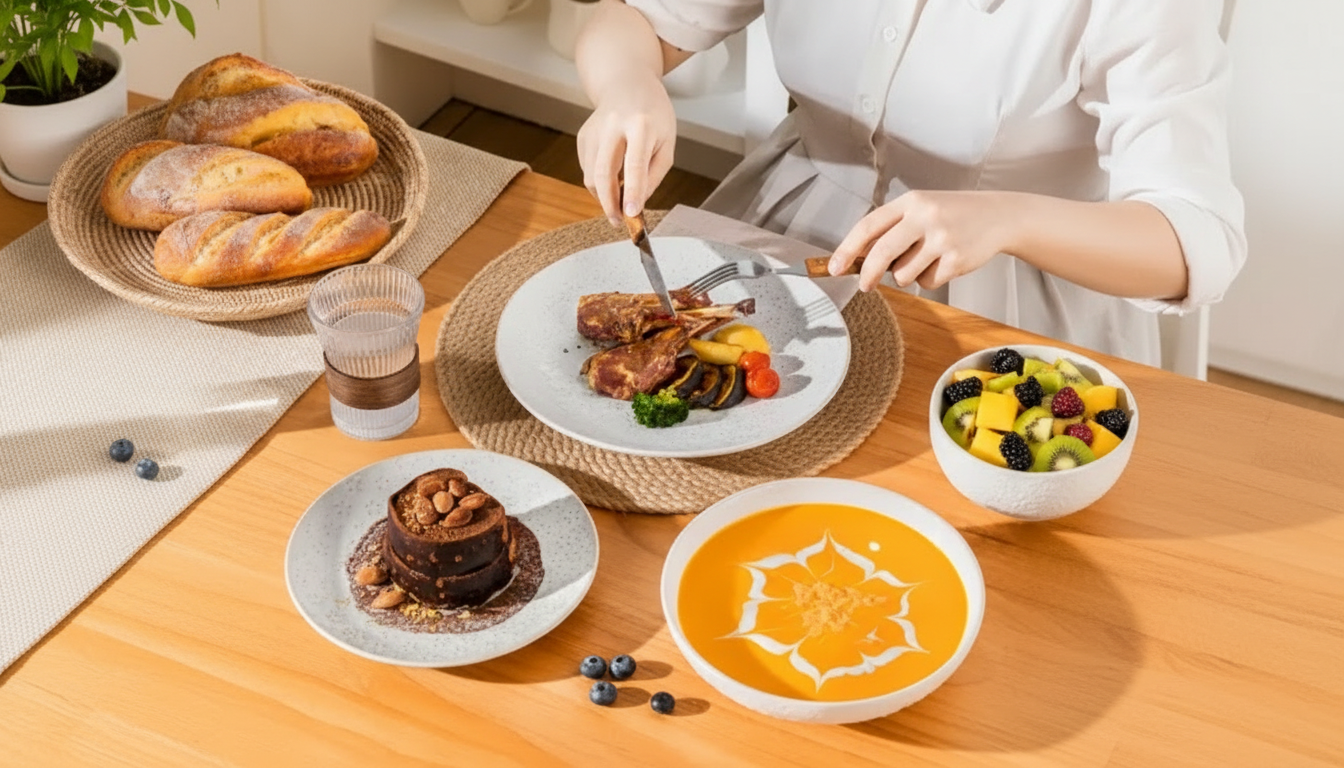
Elegant White Stoneware Dinnerware Set – 16-Piece Square Leaf Pattern
A cohesive dinnerware set can change the feel of everyday meals as much as special occasions. This white stoneware set pairs a clean square silhouette with a subtle leaf motif, creating a table setting that reads modern while staying warm and inviting. Use it for weeknight dinners, hosting, or as a polished foundation to mix with existing serveware and linens. For more guidance, see Farberware stoneware English garden complete set of 4.
Why this set works for modern tables
- Square profiles look intentional. Crisp lines frame food neatly, making everything from sheet-pan dinners to plated pasta feel more “restaurant” with minimal effort.
- White stoneware stays flexible. The neutral base pairs easily with wood boards, clear glassware, stainless flatware, and colorful napkins—so the table can shift with seasons or trends.
- The leaf pattern adds quiet texture. It brings visual interest without competing with centerpieces, candles, or bold serving platters.
- 16 pieces typically serve four. A four-person format helps standardize the look across plates and bowls so your table feels coordinated rather than collected.
What a 16-piece place setting typically includes
Many 16-piece dinnerware sets are organized as four place settings: dinner plates, smaller plates, bowls, and mugs. Before ordering, confirm the exact item breakdown, shapes, and counts on the product page—especially if you know your household leans heavily toward soups, grain bowls, or coffee. For further reading, see Replacements, Ltd.: Replacement China Patterns, Flatware ….
- If mugs are included, consider handle comfort and whether the mug fits under coffee machine spouts.
- If bowls are included, check capacity and profile (shallow vs. deep) for cereal, ramen, salads, and pasta.
- If dessert plates will do double duty for lunches, make sure the rim shape leaves room for sides and sauces.
Quick set overview (confirm details on the product page)
| Piece type | Typical count in a 16-piece set | Best for | What to verify before purchase |
|---|---|---|---|
| Dinner plate | 4 | Main courses, entrée plating | Diameter/weight; stack height in cabinets |
| Salad/dessert plate | 4 | Starters, desserts, small lunches | Edge shape; room for sauces and sides |
| Bowl | 4 | Soups, cereal, pasta, grain bowls | Capacity; whether it’s shallow or deep |
| Mug (if included) | 4 | Coffee, tea, hot cocoa | Handle comfort; fit under machine spouts |
Material notes: what to expect from stoneware
Stoneware is a ceramic fired at high temperatures and known for an everyday-durable feel and satisfying weight. Glazing plays a major role in how the surface cleans, resists stains, and holds its finish over time. Many households prefer stoneware because it feels steady in hand and on the table—substantial without being overly formal.
For a deeper background on what stoneware is, see Encyclopaedia Britannica’s overview of stoneware. For food-contact safety considerations and guidance on ceramics, the U.S. Food & Drug Administration’s information on lead in ceramicware is a helpful reference.
- Glazed stoneware is generally designed for frequent use; the glaze influences stain resistance and ease of cleaning.
- Weight is part of the appeal—stoneware often feels less delicate than very thin ceramics.
- Always confirm the seller or manufacturer’s care limitations (dishwasher, microwave, oven warming) before relying on a particular use case.
Square shape and leaf pattern: how it changes the look of meals
- Geometry elevates simple food. Square plates create strong lines on the table, making even a casual sandwich-and-salad lunch feel styled.
- White makes color pop. Fresh greens, roasted vegetables, berries, citrus, and bright sauces stand out cleanly against white stoneware.
- The leaf motif reads like an accent layer. It adds detail while leaving room for seasonal pieces—like a holiday runner or spring florals—to take center stage.
- Keep the rest of the table calm. Repeat the botanical cue with eucalyptus, greenery, or simple napkin rings rather than adding multiple busy patterns.
Styling ideas for everyday and entertaining
- Minimalist everyday: Pair with matte stainless flatware and clear glass tumblers. Stick to neutral linens like sand, oatmeal, or charcoal for a clean, modern look.
- Weekend brunch: Add sage or pale green napkins to echo the leaf pattern, and serve pastries on a wooden board for a warm contrast.
- Holiday hosting: Layer in metallic accents (gold-toned flatware or candleholders) and a simple runner. The white base helps the whole table look brighter and more polished.
- Mix-and-match: If cabinet space is tight, combine square dinner plates with round side plates. White stoneware tends to blend well even when shapes vary.
Care and handling tips to keep stoneware looking new
When this set is a good fit
Product page details to confirm before ordering
Shop in-stock picks
- Elegant White Stoneware Dinnerware Set – 16-Piece Square Leaf Pattern ($320.17)
- Prada Polo Sweater ($795.80) for a polished host look that still feels relaxed.
- Miu Miu Azure Patent Leather Thong Sandal with Square Toe and T-Style Design ($574.81) for warm-weather gatherings.
FAQ
Is stoneware dinnerware usually dishwasher and microwave safe?
Many stoneware sets are made for dishwasher and microwave use, but it depends on the glaze and any metallic accents. Confirm the specific care guidance on the product page and follow any temperature or heating limitations.
What’s the difference between stoneware and porcelain for everyday dining?
Stoneware typically feels thicker and more substantial, while porcelain is often thinner and more refined in appearance. Both are ceramics; durability and chip resistance vary by manufacturer, firing, and glaze rather than material name alone.
How can square plates be stored without scratching?
Avoid over-stacking and use soft liners between plates if space is tight. Gentle, non-abrasive cleaning and careful stacking help preserve glossy finishes and patterned surfaces.










Leave a comment