100000PA Cordless Handheld Vacuum: Home, Car & Pet Hair
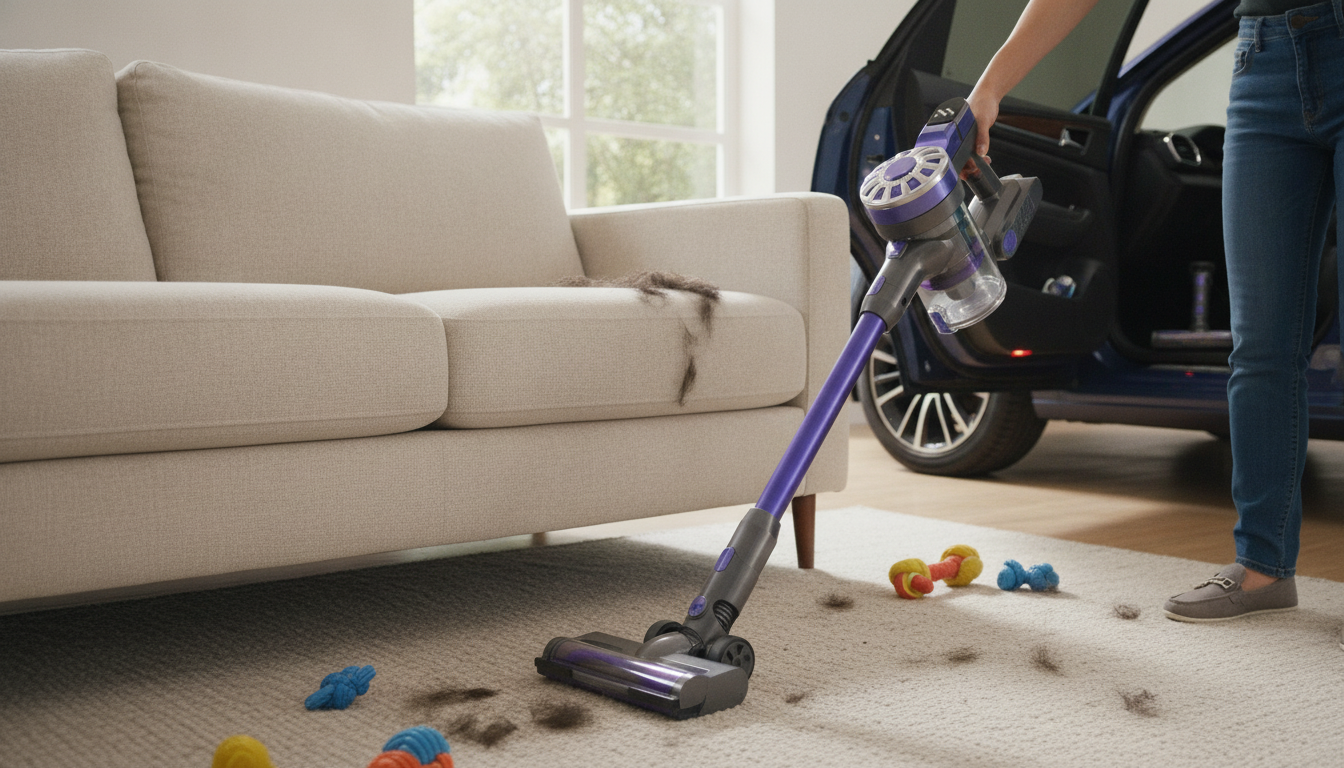
100000PA Cordless Handheld Vacuum Cleaner for Home, Car & Pet Hair
A compact vacuum can make the difference between a quick reset and a messy, time-consuming cleanup—especially with car crumbs, pet hair on upholstery, and tight corners around the home. This guide breaks down what to expect from a high-suction cordless handheld vacuum, where it performs best, and how to use and maintain it for consistent results.
What a high-suction handheld vacuum helps with
A strong cordless handheld vacuum is built for fast, targeted cleaning—the kind of jobs that don’t justify dragging out a full-size machine. It’s especially useful for:
- Car interiors: seats, floor mats, cup holders, center console seams, and trunk liners
- Pet hair on fabric: couches, pet beds, stairs, and car upholstery (especially with the right nozzle/brush attachment)
- Hard-to-reach spots: baseboards, window tracks, keyboard areas, and corners where debris collects
- Quick daily resets: small spills, tracked-in dirt, and litter scatter without pulling out a full-size vacuum
- Spot cleaning: quick pickup before stains and grit get worked into fibers
Key features that matter day to day
On paper, many handheld vacuums look similar. In real use, a few practical details make the biggest difference.
- Suction performance: Higher suction can lift embedded grit from fabric and car carpeting more effectively than low-power handheld units.
- Cordless convenience: Grab-and-go cleaning is faster in vehicles, stairways, and tight rooms where outlets are inconvenient.
- Runtime and charging: Longer sessions reduce interruptions; consistent charging habits can help battery health over time.
- Dust cup capacity: Larger cups reduce emptying frequency, but compact cups can still be ideal for quick jobs.
- Filtration: Better filtration helps capture fine dust during cleaning—important for allergies and pet dander. For indoor air considerations, the American Lung Association provides helpful background on dust and indoor air quality: Vacuum Cleaners and Indoor Air Quality.
- Noise and comfort: Grip shape, trigger placement, and balance matter more than expected during longer cleanups.
Where it performs best: home vs. car vs. pet hair
High suction is a big advantage, but the surface you’re cleaning (and the attachment you choose) determines how quickly you’ll see results.
- Home hard floors: Great for visible debris like crumbs, hair clumps, and litter in a single pass when debris isn’t heavily ground in.
- Home carpets and rugs: Best for surface debris and touch-ups; slower passes and the right attachment help with pet hair.
- Carpeted car floors: Strong suction helps pull sand and grit from dense fibers—use targeted strokes along edges and under seats.
- Pet hair on upholstery: Most effective when hair is loosened first (short strokes with a brush/nozzle, then overlapping passes).
- Tight crevices: A narrow nozzle helps along seat rails, between cushions, and around vents.
| Cleanup task | Best attachment style | Technique tip | What to watch for |
|---|---|---|---|
| Pet hair on couch cushions | Brush nozzle | Short back-and-forth strokes, then slow passes | Empty bin sooner—hair fills space quickly |
| Crumbs in car seat seams | Crevice tool | Angle the nozzle and follow the seam line | Check for coins/small objects before vacuuming |
| Sand on car mats | Wide nozzle | Lift mat and vacuum both sides; overlap passes | Tap mat outside first to reduce workload |
| Litter around a cat box | Wide nozzle | Start at the outside edge and work inward | Avoid sucking up wet clumps |
| Dust in window tracks | Crevice tool | Vacuum first, then wipe with a damp cloth | Fine dust may require more frequent filter cleaning |
Using a handheld vacuum efficiently
A few small technique changes can improve results and keep suction feeling consistent through the whole job.
- Start with the right order: pick up larger debris first, then fine dust so airflow stays strong longer.
- Use slow, overlapping passes: especially on fabric—give suction time to lift hair and grit.
- For pet hair: loosen hair with a brush or glove before vacuuming to reduce tangles and clogs.
- For cars: vacuum top-down (seats first, then floors) so debris doesn’t fall onto already-cleaned areas.
- Keep the nozzle flush: use flat contact on open areas; switch to angled edges only for seams and corners.
Maintenance that keeps suction strong
Most “weak suction” complaints come down to airflow restrictions. Regular upkeep keeps performance closer to day-one.
For general guidance on efficient product use and energy habits at home, the U.S. Department of Energy has practical resources: Energy Saver.
What to expect from a compact cordless design
Product overview and who it suits
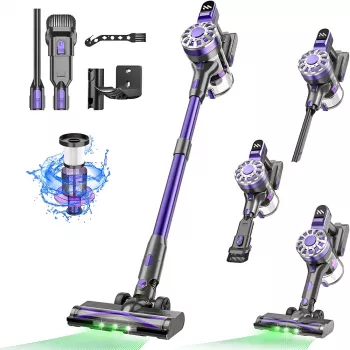
If your routine includes frequent crumbs, car messes, or pet hair on furniture, a high-suction handheld can save time throughout the week. The 100000PA Cordless Handheld Vacuum Cleaner for Home, Car & Pet Hair is designed for quick cleanups across home surfaces and vehicle interiors without the hassle of a power cord.
More in-stock picks to pair with your cleanup routine
FAQ
Is high suction enough to remove pet hair from upholstery?
High suction helps, but upholstery hair comes out faster with a brush-style attachment and slow, overlapping passes. Loosen hair first with short strokes, and empty the bin frequently so airflow doesn’t drop.
How often should the filter be cleaned?
Clean it after heavy car detailing or multiple pet-hair sessions; otherwise, weekly or every other week is a practical cadence. If the filter is washable, let it dry completely before reinstalling, and replace it if performance doesn’t rebound after cleaning.
Why does suction drop after a few minutes of cleaning?
The most common causes are a full bin, a filter packed with fine dust, a hair clog in the nozzle/air path, or a low battery. Empty the cup, check and clear the nozzle, clean the filter, and recharge before continuing.








Leave a comment