How to Style a Burberry Lambskin Shearling Jacket
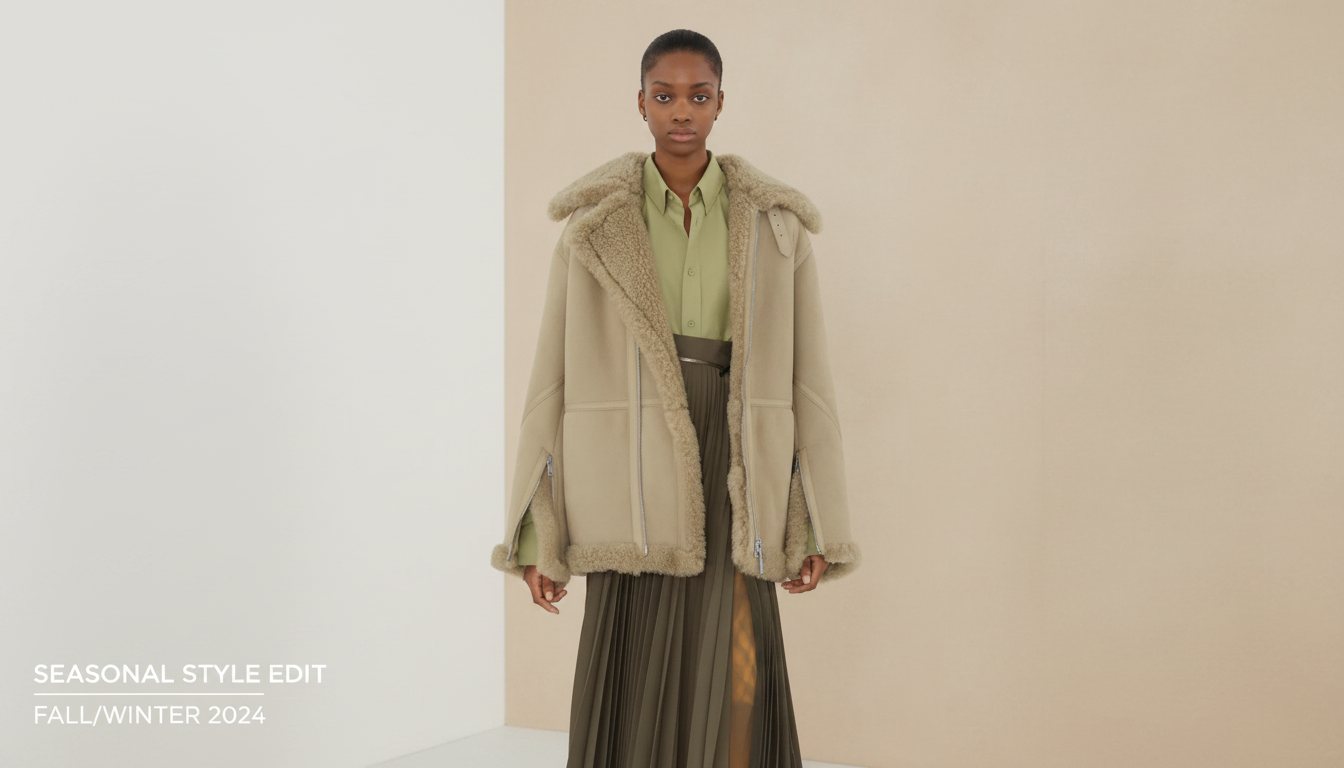
Burberry Lambskin Shearling Jacket – Classic Style Redefined
A lambskin shearling jacket lives in that rare sweet spot between heritage outerwear and modern polish—warm enough for real cold, refined enough for city dressing. The Burberry Lambskin Shearling Jacket – Classic Style Redefined elevates everyday layers with supple leather, plush shearling texture, and a silhouette that can read sharp or relaxed depending on how it’s styled.
What makes this category so enduring is the material story: lambskin brings smoothness and flexibility, while shearling brings loft, insulation, and a distinctive depth that looks better the more it’s worn. The goal is simple—let the jacket be the centerpiece, and keep everything around it clean, intentional, and easy to repeat.
What Makes a Lambskin Shearling Jacket Feel Distinct
Lambskin leather is prized for its soft hand-feel and naturally sleek finish. It drapes more fluidly than many heavier leathers, which is a big deal when you’re layering through fall and winter and still want movement that feels effortless rather than stiff.
Shearling changes the game in two ways: insulation and texture. It holds warmth close to the body while adding visual contrast against knits, denim, and tailored trousers. The “redefined classic” effect comes from balancing heritage cues (think aviator-inspired warmth) with cleaner lines and minimal fuss, so it feels current instead of costume-like.
To keep the look modern, treat the jacket as the focal point. If the outerwear is rich in texture, the rest of the outfit should be calm—solid colors, crisp fabrics, and simple proportions.
Fit and Proportion: Getting the Silhouette Right
Shearling naturally adds volume, which means fit matters more than usual. Start with the shoulders: they should sit cleanly without pulling or rippling. When the shoulder seam is in the right place, the jacket looks structured rather than boxy.
Next, check sleeves while wearing a midweight knit—cuffs should land near the wrist bone without swallowing the hand. Finally, confirm the hem: a slightly shorter hem plays well with high-rise denim and wide-leg trousers; a longer hem tends to read more traditional and pairs easily with slim or straight pants.
For layering, keep it streamlined: a thin base layer, a mid layer like merino or cashmere, then the shearling. Bulky hoodies can work, but only if the jacket is intentionally cut relaxed.
| Area | What to Look For | Why It Matters |
|---|---|---|
| Shoulders | Seam aligns with shoulder edge; no rippling | Prevents boxy bulk and keeps the jacket structured |
| Chest | Zips/buttons close comfortably over a knit | Ensures warmth without restricting movement |
| Sleeves | Room for a light sweater; cuffs don’t swallow hands | Maintains a clean line and practical wear |
| Length | Balanced with torso and rise of pants | Controls proportions and versatility |
Outfit Formulas That Keep It Modern
The easiest way to style shearling is with repeatable “uniforms” that make the jacket feel effortless rather than precious. A monochrome base—black or charcoal—lets leather and shearling textures stand out without looking busy.
Four reliable combinations
| Occasion | Top Layers | Bottoms | Footwear | Finishing Touch |
|---|---|---|---|---|
| City commute | Merino crewneck + scarf | Tailored wool trousers | Chelsea boots | Leather tote or slim backpack |
| Weekend casual | White tee + overshirt | Straight-leg denim | Lug-sole boots | Beanie and minimal watch |
| Dinner out | Black turtleneck | Dark tapered trousers | Polished derbies | Clean belt; skip loud logos |
| Travel day | Zip knit + lightweight tee | Relaxed chinos | Low-profile sneakers | Crossbody bag for hands-free ease |
Color and Texture Pairing That Flatters Shearling
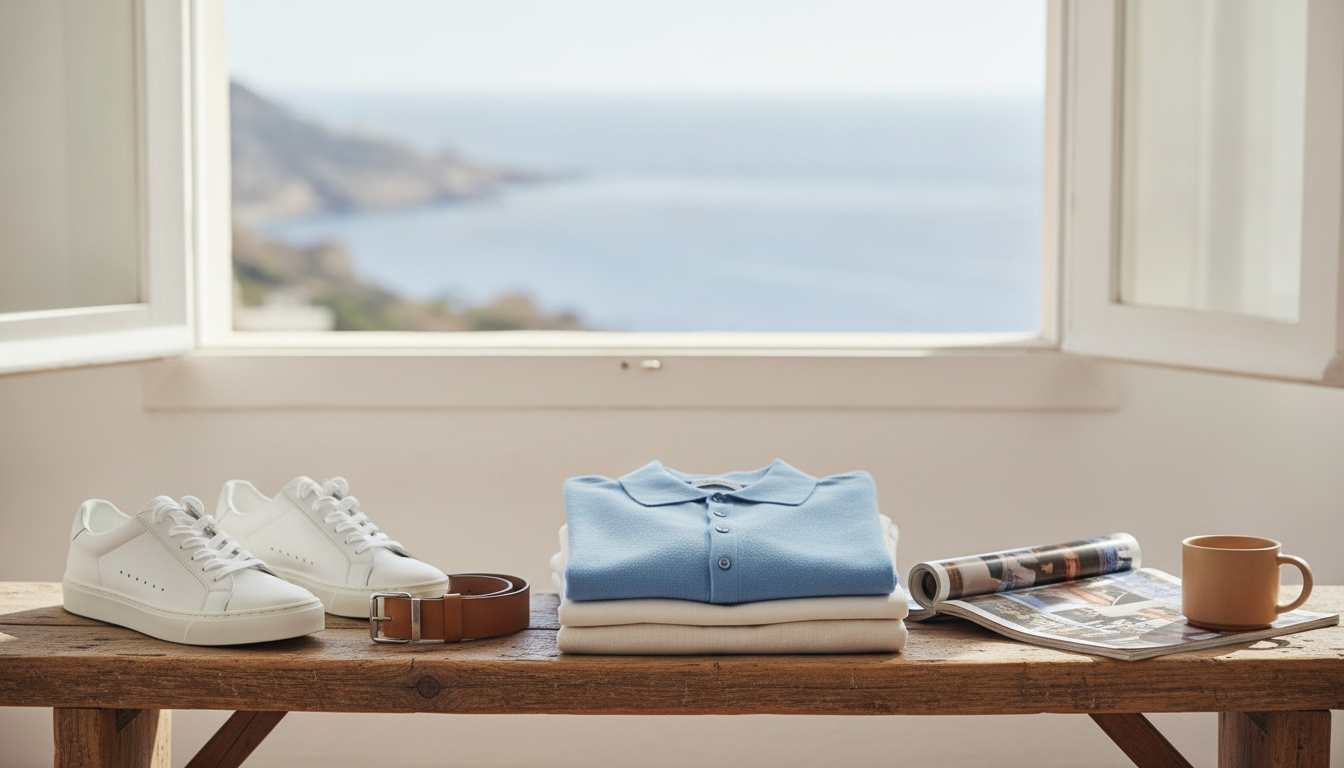
For an elevated mid-layer, a polished knit like the Prada Polo Sweater can make shearling feel clean and intentional—especially with tailored trousers or dark denim.
Care and Longevity: Keeping Lambskin and Shearling Looking Elevated
Spot-clean carefully and treat leather and shearling as different surfaces—use the appropriate product for each, and always test first in an inconspicuous area. For deep cleaning, a specialist cleaner is usually the safest choice because shearling and lambskin can react poorly to harsh detergents or aggressive DIY methods. For broader context on responsible leather practices and material standards, see the Leather Working Group.
| Do | Don’t |
|---|---|
| Brush shearling gently to lift the nap | Soak the jacket or use harsh detergents |
| Keep it away from prolonged rain; use an umbrella when possible | Dry it with direct heat |
| Store in a breathable garment bag | Store in plastic or cramped spaces |
| Use a leather conditioner sparingly (as recommended) | Over-condition, which can darken or soften structure |
When It’s Worth the Investment
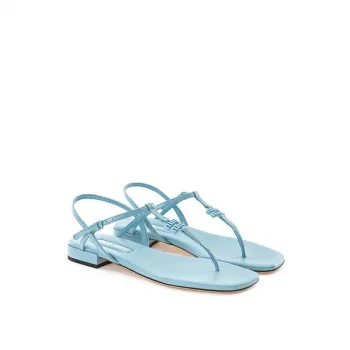
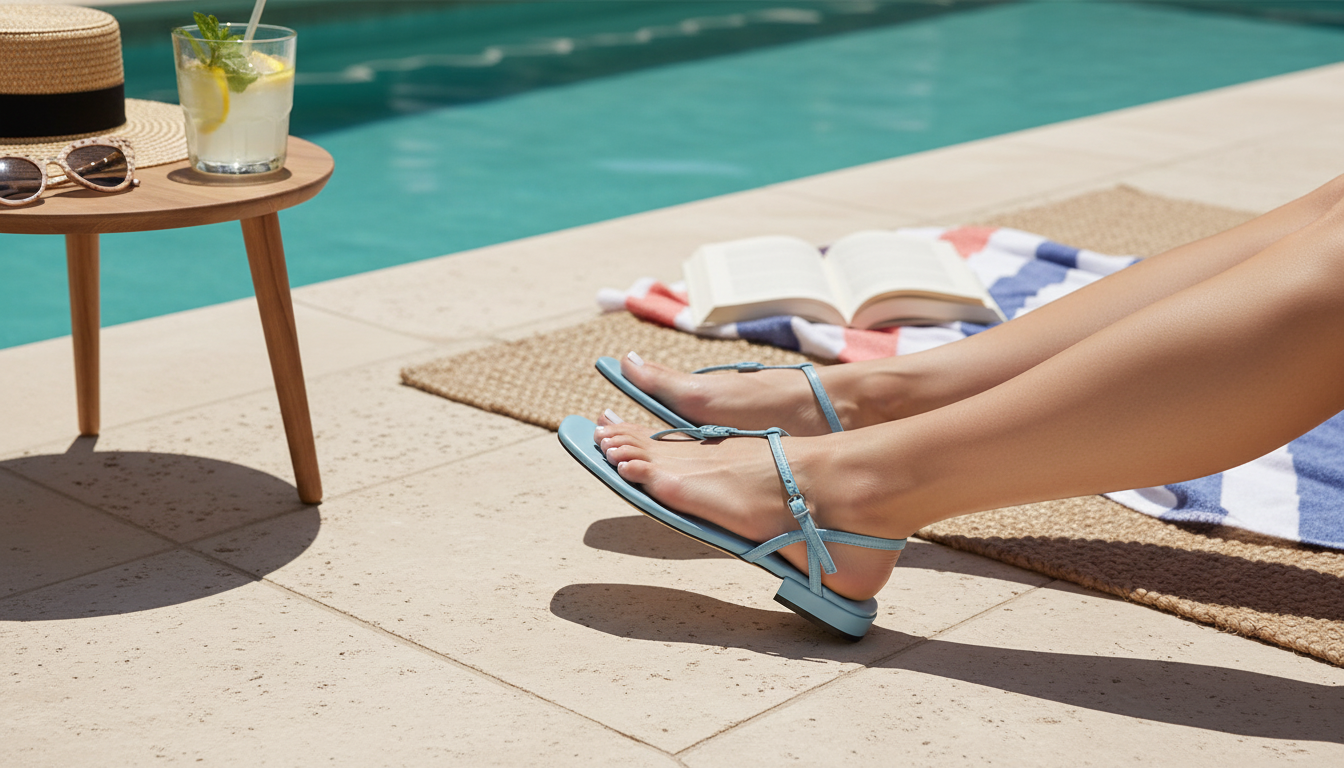
If a sleek warm-weather contrast is needed for travel packing (cold destination to indoor heating, then back outside), a minimal statement shoe like the Miu Miu Azure Patent Leather Thong Sandal with Square Toe and T-Style Design can keep an outfit intentional when the jacket comes off indoors.
For shoppers who care about clear labeling and material disclosures when purchasing items with animal-derived components, the Federal Trade Commission — Fur Products Labeling Act is a helpful reference point.
FAQ
How should a shearling jacket fit for layering?
Start with the shoulders: the seam should sit right at the shoulder edge so the jacket doesn’t look bulky. It should close comfortably over a midweight knit with enough sleeve room to move, while still keeping a clean silhouette since shearling naturally adds volume.
Can lambskin shearling be worn in light rain or snow?
It’s best to avoid prolonged wet weather, but brief exposure is usually manageable if you let it air-dry naturally in a ventilated space. For added peace of mind, ask a professional cleaner about protective treatments that won’t alter the finish.
What’s the best way to store a shearling jacket off-season?
Use a wide, structured hanger in a cool, dry closet and cover it with a breathable garment bag. Avoid plastic, compression, direct sunlight, and heat sources, which can stress both the leather and the shearling.






Leave a comment